Our Turf Installation Service
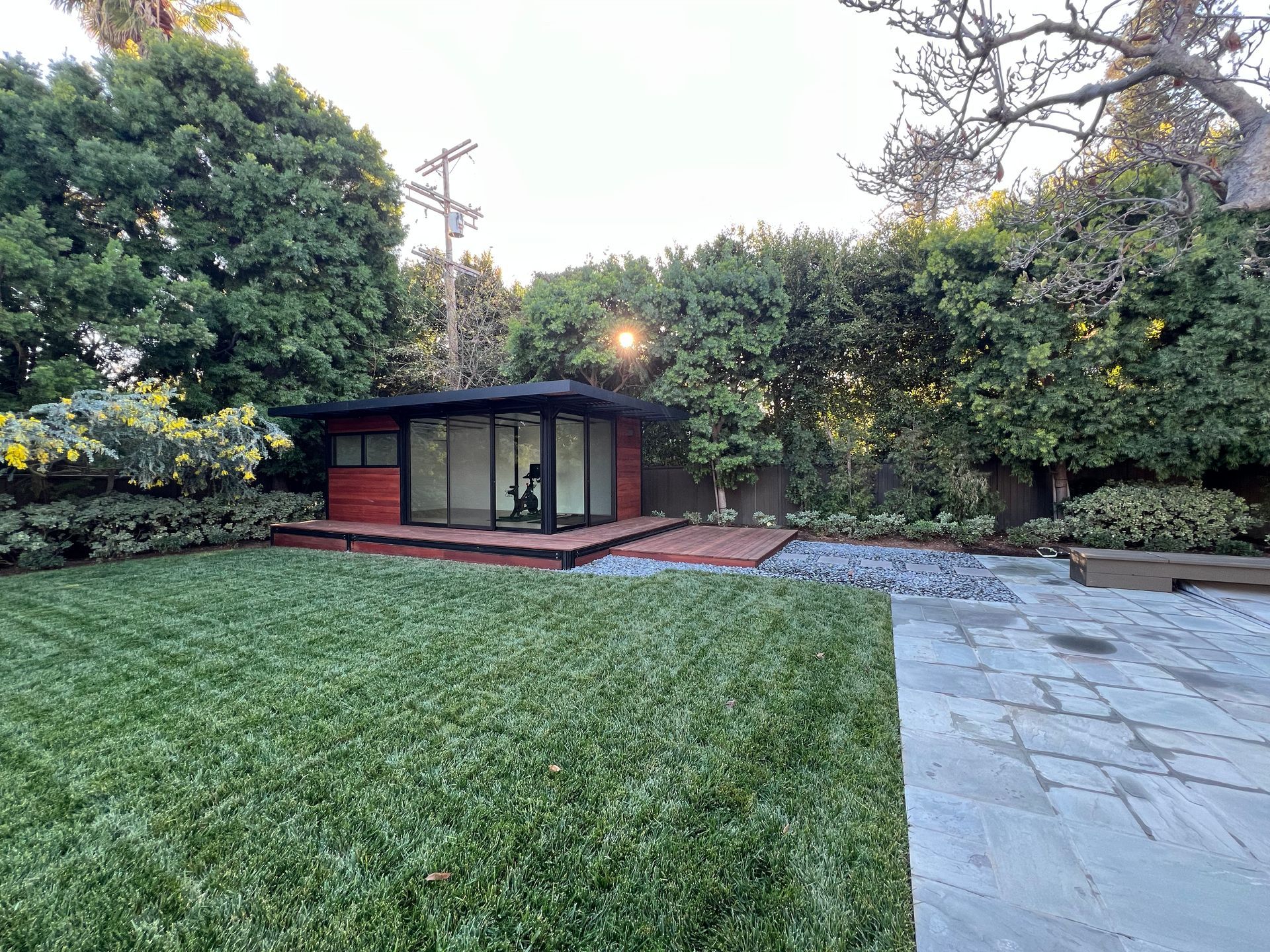
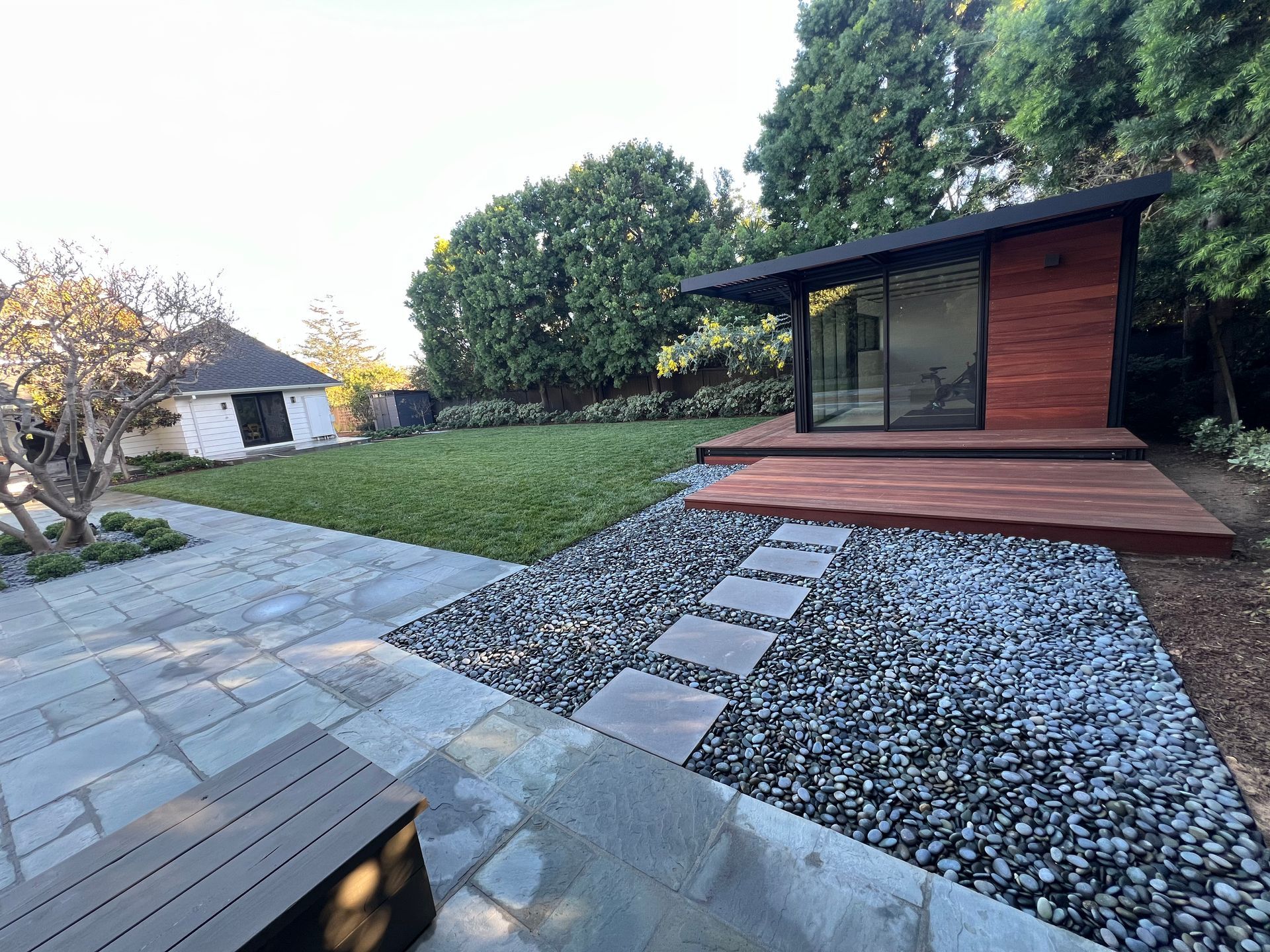
A well-executed turf installation can transform an outdoor space—providing a durable play surface, a cohesive landscape aesthetic, and increased property value. At G Leon Landscape, turf installation services are designed to deliver long-lasting results by prioritizing correct base preparation, grading, drainage, and post-installation care. Whether you prefer natural sod or high-quality synthetic turf, our approach focuses on durable performance tailored to your property’s use patterns and local climate conditions.
Why Professional Turf Installation Matters
Turf installations that skip critical steps often fail prematurely. Problems like uneven settling, poor drainage, bare patches, and rapid degradation frequently stem from inadequate site preparation. Professional installation ensures:
- Proper placement avoids glare and light trespass onto neighboring properties.
- Balanced accent lighting highlights focal points without overwhelming the scene.
- Energy-efficient fixtures and LED technology reduce operating costs and maintenance.
- Thoughtful controls (timers, photocells, and smart systems) optimize usage and minimize waste.
- Safety and security lighting improves visibility on stairs, pathways, and driveways, reducing accident risk.
Key Benefits of a Proper Turf Installation
Immediate visual impact and usable surface for recreation and aesthetics.
Erosion control on slopes and protection for other landscape elements.
Low-maintenance options (especially synthetic turf) that reduce water usage and mowing time.
Increased property appeal and potential resale value.
Safer, more comfortable surfaces when installed correctly.
Natural Sod vs Synthetic Turf
Natural Sod
Pros: Natural look and cooling properties, immediate greenery, supports regeneration and soil health.
Cons: Requires regular watering, mowing, and fertilization; can be affected by pests and disease without proper care.
Best for: Homeowners who want a natural lawn and are prepared for regular maintenance.
Synthetic Turf
Pros: Minimal watering, no mowing, durable under heavy use, consistent appearance year-round.
Cons: Higher upfront cost; heat retention in high temperatures; requires proper infill and base to ensure longevity.
Best for: Low-maintenance landscapes, sports surfaces, pet areas, and drought-prone zones.
Our Turf Installation Process
Site Evaluation & Planning
We begin with a site visit to assess soil type, slope, drainage, existing vegetation, and how the turf will be used. This step determines whether natural or synthetic turf is the better fit and informs base specifications.
Grading & Base Preparation
New Correct grading ensures water drains away from structures and prevents pooling. For sod, we prepare a topsoil layer amended as needed for root establishment. For synthetic turf, we install a compacted rock base to provide stability and drainage.
Drainage Integration
Turf performance is directly affected by surface and subsurface drainage. We incorporate surface grading and, where needed, subsurface drainage solutions (such as perforated pipe or gravel layers) to eliminate standing water problems.
Irrigation Coordination
For natural sod, we ensure irrigation is correctly zoned and scheduled to deliver consistent moisture for root establishment. We advise on watering schedules, repair of overspray issues, and seasonal adjustments.
Installation & Seaming
For sod: We lay rolls tightly, stagger joints, and tamp seams to ensure contact with the soil. For synthetic turf: We secure seams with recommended adhesives or stitching, position infill materials, and trim edges to fit the design.
Edging & Finishing
We install edging to define turf boundaries and prevent material migration. For synthetic turf, we install perimeter anchoring systems and ensure infill distribution is even.
Post-Installation & Handover
For sod: We provide detailed watering, mowing, and fertilization guidance to help the lawn establish. For synthetic turf: We provide maintenance tips for debris removal, infill monitoring, and long-term care.
Important Technical Considerations
- Compaction: Proper compaction of the base prevents future settling and uneven surfaces.
- Soil Amendments: Organic matter and soil conditioning support strong root establishment for natural sod.
- Seam Strength: Correct seaming ensures synthetic turf remains stable under heavy use.
- Heat Management: Synthetic turf can retain heat; shading, application-specific infill, or planting strategies can reduce surface temperatures.
- Pet Areas: Synthetic turf for pet zones should have a permeable base and appropriate infill for odor control and cleaning.
Common Turf Installation Uses
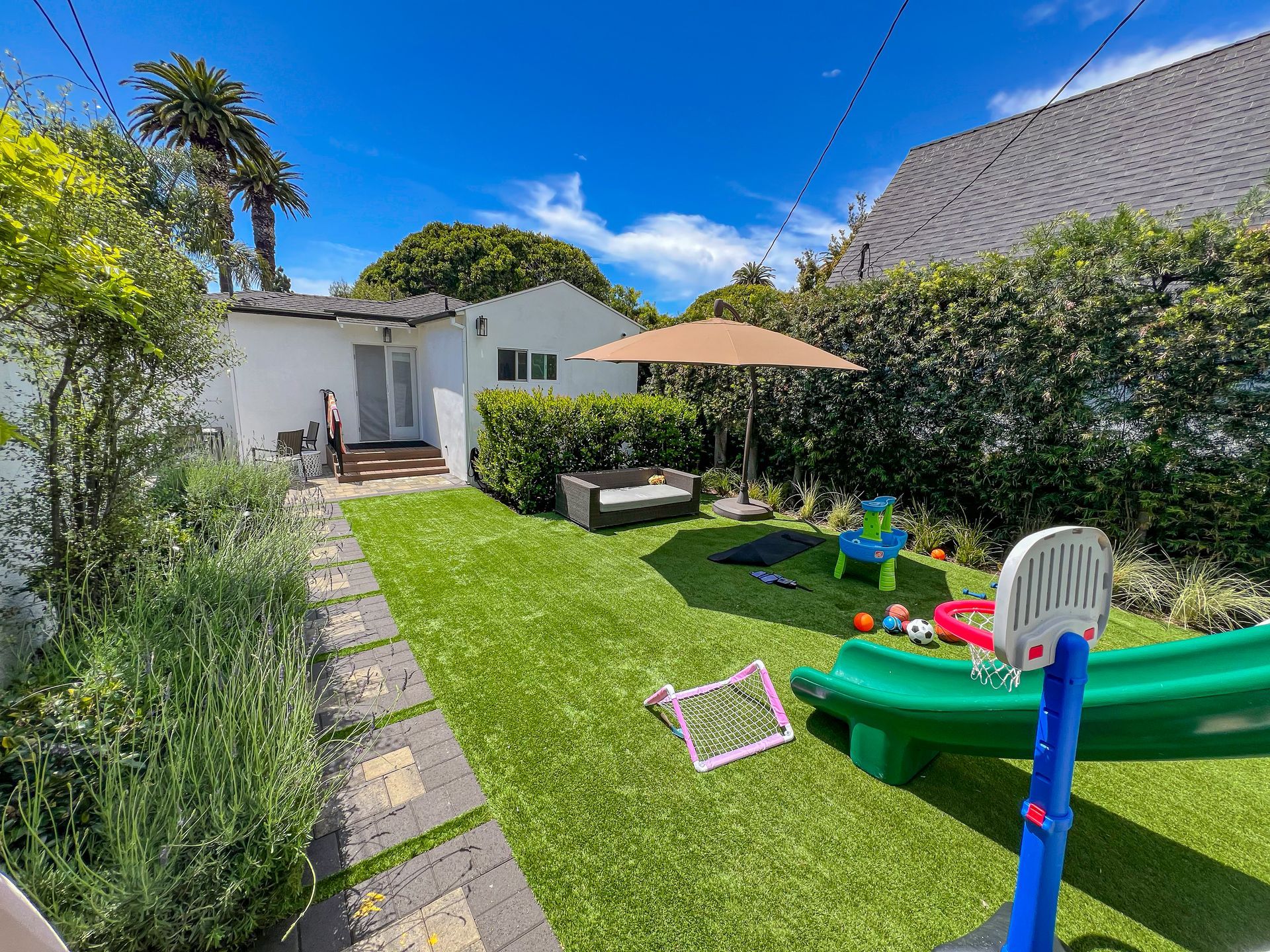
- Residential lawns and play areas
- Backyard sports and practice areas.
- Putting greens and specialized sports surfaces.
- Pet runs and dog play areas.
- Courtyards and commercial landscape accents.
FAQs
How long does natural sod take to establish?
With proper watering and care, sod begins rooting within two weeks. Full root establishment and integration with the underlying soil typically take 4–6 weeks, depending on weather and watering routines.
Is synthetic turf hot in summer?
Synthetic turf can become warmer than natural grass due to its composition. Proper infill selection, irrigation (occasional cooling), and shade features can reduce surface temperature. We discuss strategies during planning to minimize heat concerns.
How do you maintain synthetic turf?
Regular debris removal, occasional rinsing, and infill top-ups as needed will keep synthetic turf in good condition. For pet areas, periodic disinfecting and infill maintenance are recommended.
Can you install turf on slopes?
Yes, with appropriate base preparation, erosion control measures, and slope stabilization strategies. Some slopes may require terracing or retaining structures for best results.
How to get Started
Call (661) 388-9640 or use our Contact page to schedule a turf installation consultation. We’ll evaluate your site, recommend natural or synthetic options based on use and budget, and provide a detailed estimate including base preparation, drainage, and irrigation considerations.
Quality turf installation requires more than laying material across a yard. It demands grading, drainage, appropriate base work, and careful installation to ensure a level, durable, and attractive surface. At G Leon Landscape, we deliver turf installations that look great and perform reliably under everyday use.